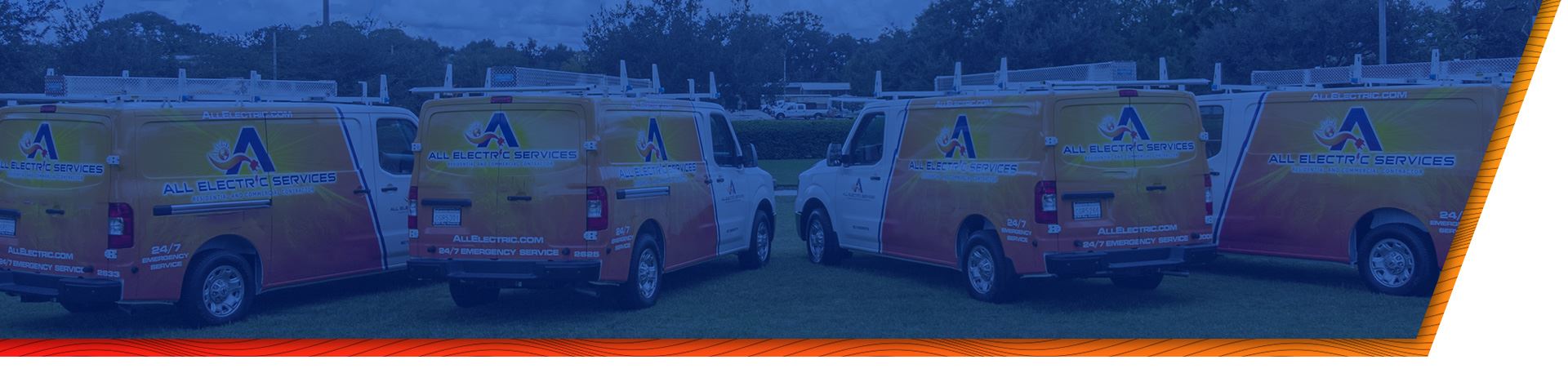
Electric Car Charger Installation in Orlando
Turnkey EV Charger Installation for Central Florida Homeowners
Adding a home charging station involves more than mounting hardware on a wall. A proper EV charger installation in Orlando requires panel capacity assessment, a dedicated circuit, and a permitted installation by a licensed electrical contractor. All Electric Services handles all of it under one engagement, bringing 40-plus years of electrical industry experience and the backing of Florida Industrial Electric to every residential project.
As the residential division of Florida Industrial Electric, we combine the resources of a full-scale electrical operation with the personalized service of a local team. Our electricians are licensed, insured, and highly trained, covering everything from the initial site assessment through the final inspection.
Ready to schedule your EV charger installation in Orlando? Call us at (407) 890-7782 and we’ll set up a convenient appointment time.
Why Orlando Homeowners Choose All Electric Services
We earned the 2024 Orlando’s Best Award in the Electrician category and hold an A+ rating from the Better Business Bureau. Those recognitions reflect the way we work: accurate diagnoses before any work begins, transparent communication throughout, and follow-up after completion to confirm everything meets your expectations.
Because we handle panel upgrades and general electrical work alongside EV charger installation, we aren’t limited to the charger itself. If your home needs a panel upgrade or additional circuit capacity to support Level 2 charging, we take care of that in the same engagement. Fewer contractors, fewer scheduling delays, and fewer mid-project issues from an installer who isn’t equipped to address them.
Commonly Asked Questions
Have questions? We are here to help. Still have questions or can't find the answer you need? Give us a call at 407-890-7782 today!
-
Are There Any Safety Precautions to Take With Residential Electrical Wiring?
Yes, there are several safety precautions to take with residential electrical wiring. These include avoiding overloading circuits, using proper wattage for light bulbs, keeping flammable materials away from electrical panels, and using ground fault circuit interrupters (GFCIs) in areas with water, such as kitchens and bathrooms. It is also important to have regular inspections and maintenance of the electrical system by a licensed electrician.
-
What Is the Process of Rewiring a Residential Property?
The process of rewiring a residential property typically involves an assessment of the existing wiring, planning the new wiring layout, removing old wiring, and installing new wiring. It may also involve upgrading the electrical panel and ensuring compliance with electrical codes. It is best to consult with a licensed electrician to determine the specific requirements for your property.
-
What are the Signs of a Wiring Problem?
There are many problems that can be associated with old electrical wiring. In fact, electrical problems are one of the common causes of house fires. Rewiring is one step you can take to prevent these issues from taking place. However, it can be difficult to know what type of electrical occurrences are normal and which are signs that rewiring may be needed.
A few serious signs or causes of wiring problems include:
- Aluminum wiring becoming loose
- Vibrations when turning on appliances
- Circuit breakers frequently tripping
- Loose electrical outlets
- Burning smell from outlets
- Flickering lights when running an appliance
- 40+ years old wiring
-
Does Old Wiring Need to be Replaced?Potentially. Every situation is different, and the only way to know for sure is to have your wiring inspected by a licensed electrician. You can never be sure what's going on inside your walls - you could have wiring damage caused by pests, frayed or cracked wiring due to heat or corrosion, or wiring that is pinched or pierced by screws or nails. It's always better to be safe than sorry and have a safety inspection.
-
Is Old Wiring Dangerous?
As electrical systems age, they become more prone to serious problems such as overheating, short circuits, and electrical discharge (electrical arcs), all of which can put your home at an increased risk of an electrical fire. Furthermore, if your home is several decades old, you could be dealing with outdated knob and tube wiring that, while not inherently unsafe, should still be assessed by a professional. If the wire insulation has worn away over time, or if the installation practices of the time have left you with an unsafe situation, you should have your home rewired without delay.
-
How Often Should I Have My Home’s Electrical Wiring Inspected?
It's recommended to inspect your home's electrical wiring every 10 years to identify potential hazards and prevent electrical problems. However, inspections every 5 years may be necessary for older homes with outdated electrical systems. If you notice any signs of faulty wirings, such as flickering lights or burning smells, contact a licensed electrician for an inspection.

Our Core Values
-
Safety
Other companies talk about safety and teamwork. At AES, it’s our way of life, and we are committed to being a leader in our industry by providing the highest standards of safety for our work force. It is our policy that every employee works under the safest possible conditions; therefore, safety through education is a continuous process and we are dedicated to it.
-
Integrity
At AES, we demonstrate integrity every day by practicing the highest ethical standards and by ensuring our actions follow our words. Our clients can rely on our integrity beginning with complete, competitive and thorough bids. Our clients also benefit from AES’s long-standing relationships with manufacturers and distributors, and expertly-managed purchasing system.
-
Quality
AES has established a reputation for meeting schedules, staying within budgets and for our quality of workmanship. Meeting our clients' needs remains our first priority. AES is known for its attention to detail and innovative solutions to any project challenge and our clients are assured senior level involvement throughout the construction process.
-
Value
AES takes pride in everything we do and we have continued to achieve success by providing our clients value, service and excellence. AES’s long-tenured managers, superintendents and electricians turn projects around quickly. We meet deadlines and deliver a complete project and once the job is complete, AES is there to provide ongoing satisfaction with our service department.
How All Electric Services Handles EV Charger Installation in Orlando
We start with a site visit. Our electrician reviews your home’s panel capacity, available circuit space, and the best mounting location for your charger before any work is quoted or scheduled. You know exactly what the job involves before it begins.
From there, we install the dedicated circuit, mount the charger at your chosen location with proper anchoring and weatherproof protection where needed, and test every connection before wrapping up. We walk you through operating the charger before we leave and follow up after the job to confirm everything is working as expected. As a licensed and insured electrical contractor, we pull all required permits on your behalf.
Orlando Permitting Requirements for EV Charger Installation
The City of Orlando requires an electrical permit and an associated engineering permit for EV charging station installation on any property. Projects with a total value exceeding $5,000 also require a Notice of Commencement filed with the Orange County Comptroller’s Office before work begins. These aren’t optional steps. Unpermitted installations can complicate a property sale and can affect homeowner insurance coverage if a related incident occurs.
Because All Electric Services is a licensed electrical contractor, we meet the City’s requirement that EV charging station permits be issued to a licensed general or electrical contractor. We manage the permit application, plan submission, and inspection scheduling so you don’t have to navigate the City’s permitting portal yourself.
Federal Tax Credits & OUC Rebates for Orlando EV Charger Installations
A properly permitted Level 2 installation may qualify for federal financial incentives. The federal tax credit for residential EV charger installation covers up to 30% of the total installed cost, including hardware and labor, capped at $1,000 per charging port. There is a catch: the IRS requires that the charger be installed in an eligible census tract, either a low-income community or a non-urban area. Many Orlando addresses fall in urban tracts and may not qualify. Confirm your census tract eligibility using the IRS guidance for Form 8911 before counting on this credit. Note also that under legislation enacted in 2025, the credit applies only to equipment placed in service on or before June 30, 2026. If you do qualify, you claim it on IRS Form 8911 with your annual tax filing.
The Orlando Utilities Commission offers a $200 rebate to residential customers who purchase or lease an eligible new or pre-owned EV. OUC doesn’t offer a separate rebate for charger installation hardware or labor. Confirm current program availability and terms directly with OUC before factoring any rebate into your budget. Florida doesn’t currently offer a statewide tax benefit for residential installations, so the federal credit is the primary incentive available to qualifying Orlando homeowners.
One condition applies across most programs: the installation must be permitted and inspected. Unpermitted work can disqualify a homeowner from claiming available benefits, which is another reason the permit step matters beyond code compliance alone.
Call (407) 890-7782 to schedule your EV charger installation in Orlando. Convenient appointment times are available, and we can walk you through every step of the process from the first visit.
