In Central Florida, the summer season means high heat and plenty of pool days. As we dive into the peak of the swimming season, keeping your backyard oasis safe is just as important as keeping it cool. While we often think about sunscreen and water safety, the electrical side of your pool system needs just as much attention to ensure your summer fun stays worry-free.
Understanding Your Pool’s Electrical System
Most homeowners don't spend much time thinking about the wires and motors that keep their pool running. Your pool relies on a complex network of pumps, filters, and lights that all require a steady and safe flow of electricity. Because water and electricity are a dangerous combination, these systems are built with special safety parts designed to shut off power instantly if something goes wrong.
One of the most important parts of this system is the Ground Fault Circuit Interrupter, often called a GFCI. Think of a GFCI as a super-fast safety switch that "feels" if electricity is flowing where it shouldn't be, like into the water. If it detects a leak, it cuts the power in a fraction of a second to prevent a shock.
Make sure:
- To check your GFCI outlets and breakers once a month by pressing the "test" button.
- That your pool pump is plugged into a dedicated, properly grounded outlet.
- Look for any signs of rust or wear on the metal boxes that hold your electrical switches.
The Importance of Proper Bonding and Grounding
Bonding and grounding are two terms you might hear an electrician use, but they are simple to understand when you think about safety. Bonding connects all the metal parts of your pool—like ladders, diving board stands, and the pump motor—together with a wire. This ensures that all these metal pieces have the same electrical pressure, so you don't get a "tingle" or a shock when touching them while in the water.
Grounding is the "safety exit" for electricity. If there is an electrical fault, the grounding wire provides a safe path for excess electricity to travel directly into the earth rather than through a person. Over time, these wires can become loose or start to break down because of the Florida humidity and pool chemicals.
What every pool owner should do:
- Inspect the visible copper wires near your pool pump to ensure they are tightly connected to the metal frame.
- Watch for loose ladders or railings, as this can sometimes mean the bonding connection has been disturbed.
- Have a professional look at your system if you ever feel a small zap or tingle when touching metal parts near the water.
Safe Lighting for Late Night Swims
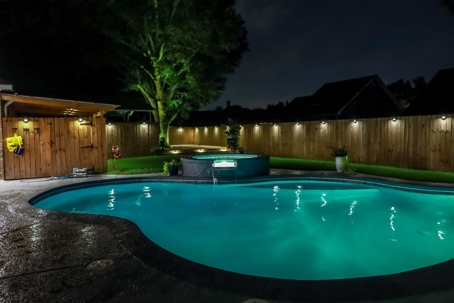
There is nothing quite like a night swim to escape the humidity, but your pool lights need to be in top shape. Underwater lights are sealed in a watertight housing, but the seals (called gaskets) can dry out and crack over the years. If water gets inside the light fixture, it can cause the light to fail or create a safety hazard in the pool.
Many homeowners are switching to LED pool lights. These are not only brighter and change colors, but they also use much less electricity and often run on lower voltage, which is naturally safer around water. If your pool lights are flickering or have visible water trapped inside the lens, it is time to turn off the light switch and have it inspected.
Remember to:
- Never change a pool light bulb yourself while the pool is full of water.
- Keep all corded electric devices, like radios or chargers, at least 10 feet away from the water's edge.
- Ensure that all deck lighting is properly installed and rated for wet locations to handle our frequent afternoon thunderstorms.
Warning Signs to Watch For This Summer
Being a neighborly observer of your own backyard can save you a lot of trouble. Electrical problems often give us small hints before they become big issues. In the summer heat, your pool pump works harder to keep the water clear, which puts more stress on the electrical circuits.
If you notice your pool pump sounds louder than usual, or if the circuit breaker for the pool trips more than once, these are clear signs that something isn't right. In Florida, we also have to deal with heavy rain that can wash dirt into electrical pipes or cause water to sit in areas it shouldn't. Be sure to:
- Listen for a humming or buzzing sound coming from the electrical panel or the pump motor.
- Look for scorched or discolored plastic around your outlets or switches.
- Be aware of any flickering lights in the pool or on the patio when the pool pump turns on.
Keeping Your Backyard Oasis Secure
Staying on top of pool safety is a continuous process for any homeowner. By taking a few minutes during the swimming season to look at your equipment and test your safety switches, you are doing your part to protect your friends and family. Remember that water and electricity are a combination that requires respect and professional attention to detail.
While these tips help you spot potential issues, the most reliable way to ensure your system is up to code is through an expert inspection. All Electric Services understands the specific needs of Central Florida pools, from handling our intense sun to managing the impact of our tropical storms. A professional can use specialized tools to check the "unseen" parts of your system, like underground wires and the integrity of your bonding grid.
Contact All Electric Services for a Pool Safety Check
Don't let electrical worries dampen your summer fun. Whether you need a new LED light installation, a pump repair, or a complete safety inspection of your pool's electrical hub, our team is here to provide neighborly and professional support. We focus on quality workmanship and your total peace of mind.
Enjoy your summer to the fullest by ensuring your pool is as safe as it is refreshing. Contact All Electric Services today at (407) 890-7782 or visit our contact page to schedule your professional pool safety inspection.